Fast, venomous predators that thrive in Arizona's warm climate.
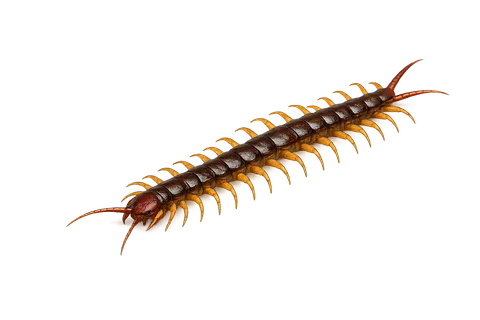
Arizona is home to several centipede species, including the impressive Giant Desert Centipede (Scolopendra heros), which can exceed 8 inches. While beneficial predators of other pests, indoor encounters can be alarming and painful.
Centipedes are nocturnal hunters that feed on insects, spiders, and even small lizards. They prefer damp, dark areas, under rocks, in garages, bathrooms, and laundry rooms. They enter homes seeking moisture and prey.
All centipedes have venomous fangs (forcipules). Larger species deliver bites comparable to a bee sting, painful with localized swelling. Bites are rarely medically serious but warrant monitoring.
Hydra targets centipede harborage areas with residual treatments, treats interior perimeters and entry points, and reduces prey insect populations to make your property less attractive.
How we treat it
Treat the centipedes, and the moisture and bugs they're hunting.
See our centipedes treatment planCall or text us, we answer both. Or send us your details and we'll come back with a free quote.